
Unruly Nationn | EST. 2024
“If we as a people realized the greatness from which we came we would be less likely to disrespect ourselves.”
– Marcus Mosiah Garvey
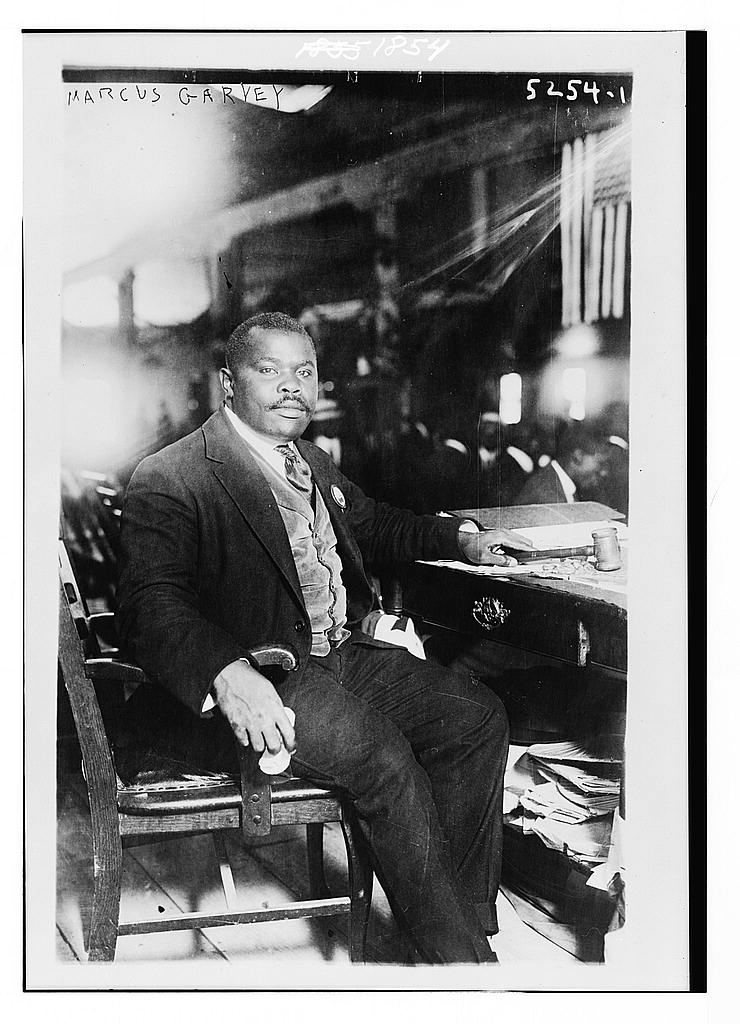
Marcus Mosiah Garvey’s words continue to echo across the Caribbean and African diaspora because they identify a central truth: historical knowledge shapes self-respect. For generations, Afro-Caribbean and African histories were fragmented, distorted or excluded from formal education systems. What survived did so through oral tradition, community memory and resistance. UnrulyNationn emerged in 2024 as a response to that gap. The platform began as a short-form video page dedicated to Caribbean and African history, law and culture, created with the belief that accessibility does not require simplification. Each reel was designed to introduce a specific historical idea, legal concept or cultural symbol with clarity and context.
Within two years, the platform reached over 500,000 followers across TikTok, Instagram, Facebook and YouTube, generating more than 75 million impressions. This growth reflected not virality alone, but recognition. Audiences across the diaspora were seeking explanations for where traditions came from, why laws evolved the way they did and how culture survived colonial disruption. Yet short-form video alone cannot preserve history. Algorithms reward immediacy, not depth. Comments disappear, context erodes and nuance collapses. The UnrulyNationn blog was created to address this limitation, transforming short-form storytelling into a permanent, verifiable and expanding archive. Launched in live beta, the blog represents the next stage in preserving Afro-Caribbean historical memory.
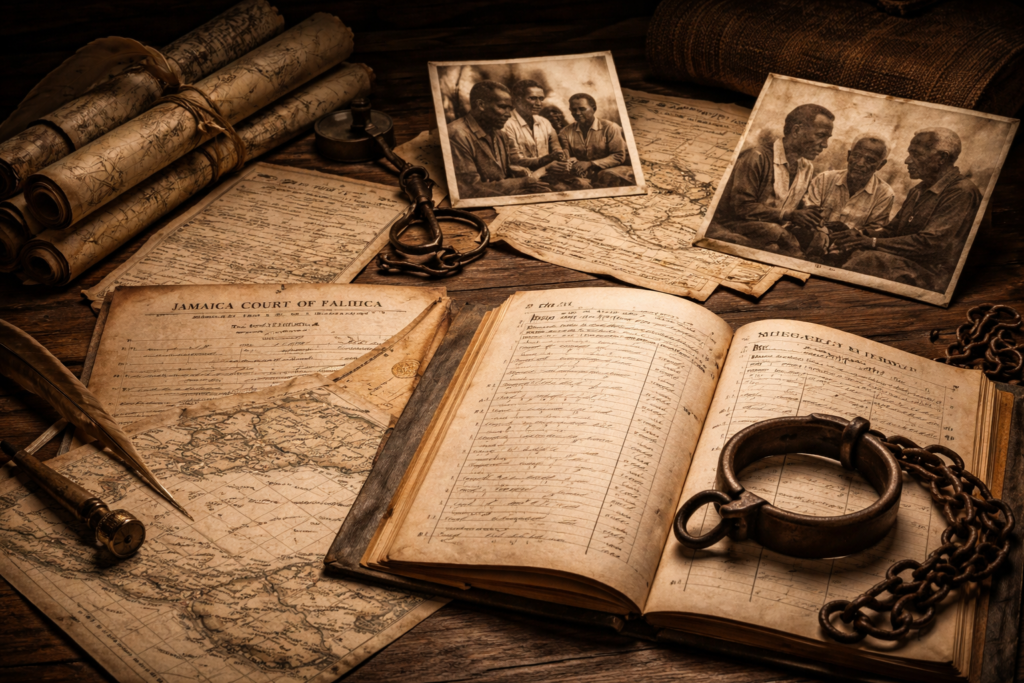
The challenge of preserving Afro-Caribbean history is rooted in colonial record-keeping itself. British, French and Spanish administrations documented governance, trade and law, but often excluded indigenous and African perspectives. Enslaved populations were recorded as property rather than people, leaving cultural life largely undocumented within official archives. Legal records, however, became an unexpected site of preservation. Post-emancipation Caribbean courts confronted questions of labor, identity and cultural expression. Over time, these cases formed a legal archive reflecting social realities. One notable example is The Robert Marley Foundation v. Dino Michelle Ltd (1994), where the Supreme Court of Judicature of Jamaica recognized the commercial and cultural value of a Caribbean icon’s identity.
African histories faced similar distortions. Colonial administrations codified customary law selectively, often misrepresenting indigenous governance systems. Oral histories preserved deeper truths, but these traditions were rarely integrated into formal historical narratives. Digital storytelling offered a partial remedy. Platforms like UnrulyNationn used short-form video to reintroduce overlooked histories to global audiences. However, without written records, these stories risked being misquoted, detached from sources or lost entirely. The blog provides a structured foundation where historical claims are expanded, sourced and contextualized.
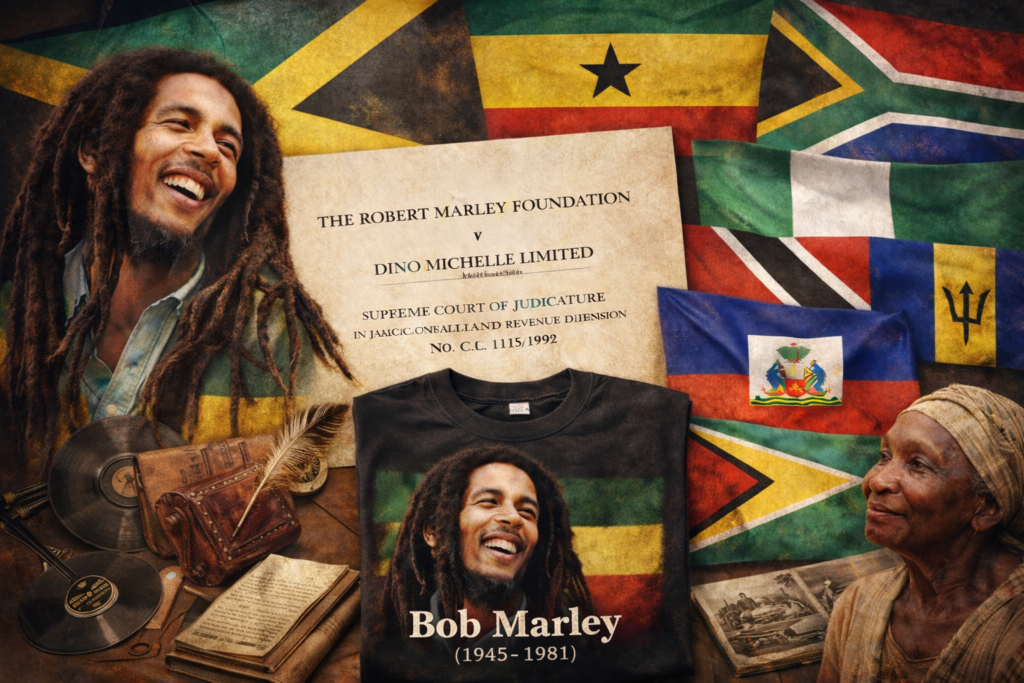
Culture operates as both memory and law. In the Caribbean, national symbols such as flags and anthems emerged from independence struggles rooted in legal transformation. Dialects and creole languages evolved under systems designed to suppress African linguistic heritage, yet they endured as expressions of identity. UnrulyNationn’s content consistently explored these intersections. A reel examining a national flag often traced its design to constitutional negotiations. A post on language connected grammar patterns to West African linguistic structures. These narratives resonated because they revealed continuity rather than rupture.
The blog allows these cultural layers to be examined fully. Oral traditions are placed alongside archival documents. Legal rulings are connected to everyday cultural practices. Diaspora experiences are framed within transatlantic histories rather than isolated national timelines. The platform also acknowledges modern tools responsibly. AI-assisted visuals and workflows support organization and presentation, but research remains human-led. Historical integrity is treated as non-negotiable, ensuring that technological assistance enhances preservation rather than distorting it.

The relevance of Afro-Caribbean history extends into contemporary debates about ownership, representation and cultural value. Intellectual property disputes, tourism branding and digital monetization all raise questions rooted in earlier struggles for recognition. UnrulyNationn’s expansion reflects this continuity. What began as reels has evolved into a multi-format system designed to preserve knowledge across platforms.
All Original Reels Expanded Into:
- Carousels for structured visual learning
- Blog articles for permanence and depth
- Long-form videos for extended analysis
- Patreon and Google Drive packages for curated archives
This approach mirrors historical preservation itself. Knowledge is layered, repeated and adapted to new formats while maintaining core truths. A viewer encounters a reel, then traces its expansion through an article, then accesses archival material for deeper study. Diaspora connections further amplify this impact. Caribbean histories resonate across African and global communities shaped by migration, labor law and cultural exchange. The blog creates a shared reference point where these connections can be examined collectively.
Garvey’s assertion that historical awareness fosters self-respect underpins the UnrulyNationn blog’s purpose. Preservation is not nostalgia. It is preparation. Understanding legal struggles, cultural resilience and historical context equips communities to navigate present challenges with confidence. The live beta launch marks the beginning, not the conclusion, of this effort. Articles will expand, archives will deepen and educational resources will continue to develop. Community engagement will shape future directions, ensuring the blog remains responsive rather than static.
Short-form reels opened the door. The blog builds the house.